
Recognising the Quiet Students Who Need Support
Not every student who needs support shows obvious signs of struggling. Learning to recognise invisible barriers helps educators build inclusive classrooms where every learner is seen, understood and supported.
Kenndiany De Jesus, Special Needs Educator
By learning to recognise these hidden challenges and creating opportunities for every student to reflect, educators can build more inclusive classrooms where every learner is seen, understood and supported. This approach helps students feel valued and encourages them to share their needs openly.
When we think about students who need extra support, our minds often go to the child who is constantly out of their seat, calling out, or struggling to regulate their emotions.
But some of the students who need us most are the ones we hardly notice at all.
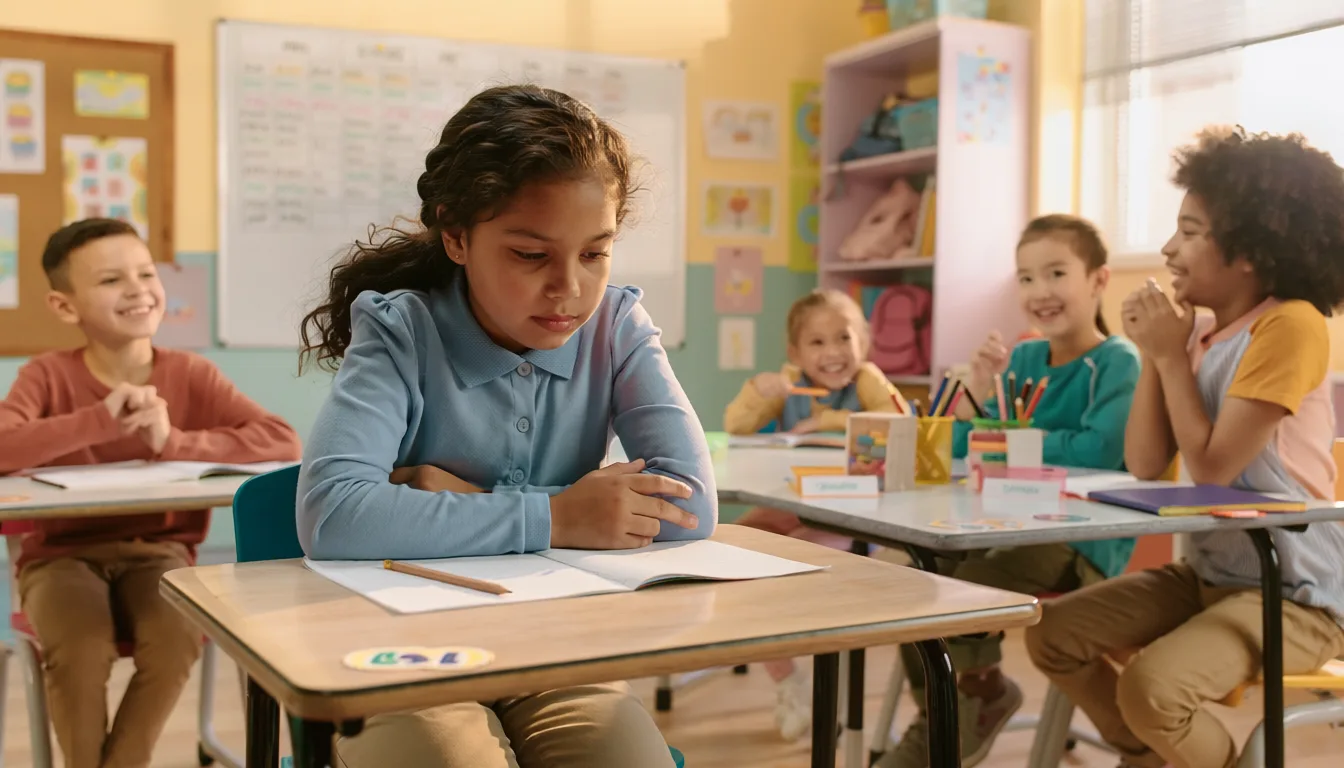
They're the students who never put their hand up, copy from the person beside them, quietly avoid tasks, or simply tell us, "I'm fine." They aren't disrupting the class, so it's easy to assume they're coping. In reality, many are working incredibly hard just to get through the school day.
For some students, especially those with autism, ADHD, dyslexia, language differences or anxiety, school can involve an enormous amount of invisible effort. Research shows that these learners often experience a higher cognitive load. They expend significant mental energy to process instructions, organise their thinking, manage sensory input, or mask their difficulties to fit in.
By the time they get home, they may be exhausted despite appearing to have had a "good day".
Looking Beyond Behaviour
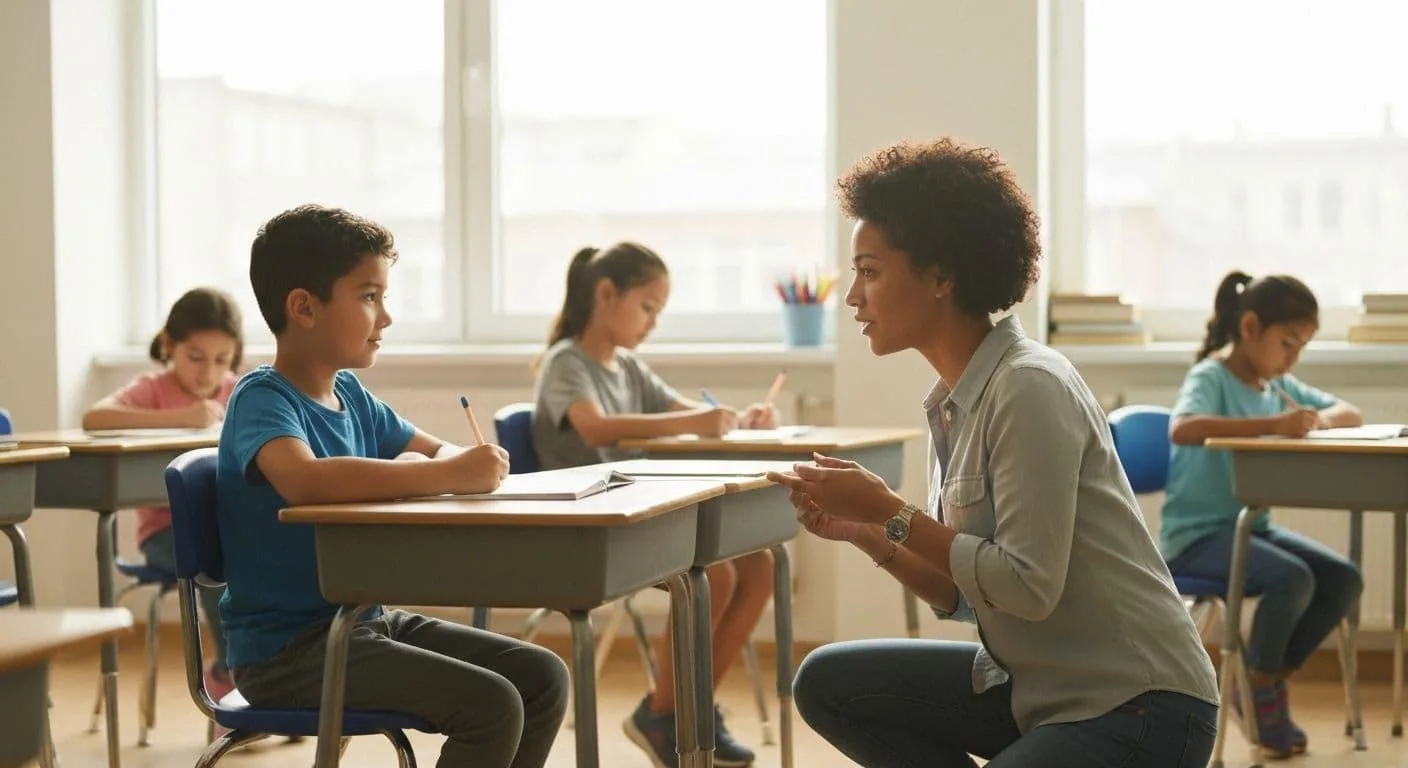
Behaviour is one way students communicate, but silence can communicate just as much.
A student who rarely contributes may not lack ideas. They may simply need more time to process. Another might avoid writing because spelling feels overwhelming. A student who always agrees with classmates may not fully understand the task but worries about standing out.
Rather than asking, "Who's struggling?", it can be more helpful to ask:
- Who rarely shares their thinking?
- Who always waits for someone else to start?
- Who seems to disappear into the background?
- Who is working much harder than their peers to achieve the same outcome?
These questions often reveal students whose needs aren't immediately obvious.
Creating regular opportunities for every student to reflect and express how they're doing can help teachers identify these needs earlier, before small challenges become bigger barriers.
Small Changes Can Make a Big Difference
Supporting these learners doesn't always require a completely different lesson. Often, it's the small adjustments that have the biggest impact.
Providing visual supports alongside verbal instructions can reduce memory demands. Breaking tasks into manageable steps helps students who struggle with executive functioning. Offering sentence starters can reduce anxiety about how to begin. Giving students the option to respond verbally, in writing, or through visuals allows them to demonstrate understanding in a way that works best for them.
These strategies are supported by research into Universal Design for Learning (UDL), which encourages teachers to provide multiple ways for students to engage with learning, access information, and demonstrate what they know. When barriers are reduced, more students can participate successfully without lowering expectations.
When inclusive teaching is paired with regular student reflection, educators gain a deeper understanding of how students experience learning, not just how they perform. This helps educators become more proactive rather than reactive.
Meeting Students Where They're At
Inclusive classrooms aren't built by expecting every student to learn in the same way. They're built on the recognition that equity isn't about giving everyone the same support; it's about giving each student what they need to succeed.
Sometimes that means a little more processing time. Sometimes it's a predictable layout, fewer distractions, or the opportunity to speak instead of type. These adjustments don't change what students are capable of achieving; they simply make learning more accessible.
Supporting Every Learner with Skilly
At Skilly, we believe every student deserves the opportunity to be seen, understood and supported.
That's why we've built tools that help teachers understand not only academic progress but also how students are experiencing their learning. Through regular student reflection, personalised Learning Profiles, visual supports, sentence starters, dyslexia-friendly settings, voice responses, EAL translation, adjusted AI feedback and teacher insights, schools can reduce unnecessary barriers while maintaining high expectations.
Rather than waiting for students to show visible signs of struggle, educators can build a more proactive understanding of individual needs through consistent reflection and meaningful insights. This helps create classrooms where support is timely, personalised, and focused on helping every learner succeed.
The goal isn't to give some students an advantage. It's to ensure every learner has the opportunity to participate, grow and succeed with confidence.
See it in your own classroom.
Try the live demo, or book a 15-minute walkthrough with the team.